Drug rehab marketing by Charles Davis explains the critical component in the survival of drug and alcohol addiction treatment centers marketing and advertising. The addiction treatment industry is one of the most competitive healthcare sectors online. Every year, more treatment centers enter the market, while Google continues tightening regulations around healthcare and addiction-related advertising. Facilities that fail to adapt often struggle with low admissions, poor website traffic, weak branding, and expensive lead generation campaigns.
A successful drug rehab marketing strategy is no longer optional. It is essential for survival. Treatment centers that invest in long-term visibility through drug rehab SEO, ethical branding, local optimization, authority content, and strategic outreach consistently outperform facilities that rely only on paid advertising.
Drug Rehab Consultants Are Worth the Cost
This guide explains the top seven mistakes addiction treatment centers make with digital marketing and how experienced drug rehab consultants help facilities create sustainable growth strategies that produce long-term admissions.
The addiction treatment space is heavily influenced by trust, search visibility, ethical branding, and user experience. According to multiple addiction treatment marketing studies and SEO guides, treatment centers that invest in organic visibility and authoritative content achieve stronger long-term results than facilities relying solely on paid ads.
Many treatment centers still make the same costly mistakes repeatedly. Some depend entirely on Google Ads. Others purchase low-quality leads from brokers. Some create thin website content with no drug rehab SEO structure. Others completely ignore local search optimization, technical SEO, or conversion tracking.
The result is wasted marketing budgets, lower census numbers, poor organic rankings, and missed opportunities to help people seeking treatment.
Why Drug Rehab Marketing Matters More Than Ever
Drug rehab marketing is the biggest pain point for drug and alcohol addiction treatment centers. The online landscape moves fast and is complicated. Consider this, Google gets 99,000 every second! If your addiction treatment center is ranking on page one of Google for key search terms its gonna get calls and admissions. When individuals or family members search for addiction treatment, their first action is usually online research. Most users search terms like:
- Drug rehab near me
- Alcohol rehab centers
- Detox programs
- Inpatient addiction treatment
- Intensive outpatient programs
- Drug rehabs accepting insurance
- Best addiction treatment centers
- Alcohol detox near me
These searches happen during moments of crisis. If your facility does not appear prominently in search results, potential clients may never find your program.
Modern drug rehab marketing requires:
- High-quality website development
- Ethical messaging
- Strong local SEO
- Technical SEO optimization
- Long-form content creation
- Google Business Profile optimization
- Reputation management
- Authority backlinks
- Conversion optimization
- Compliance with healthcare advertising regulations
Google now treats addiction treatment websites as “Your Money or Your Life” healthcare properties, meaning websites are evaluated more aggressively for trustworthiness, authority, expertise, and accuracy.
Facilities that ignore these ranking factors often disappear from page one search results.
Mistake #1: Relying Only on Paid Advertising

One of the biggest mistakes treatment centers make is depending entirely on PPC advertising for admissions.
Years ago, Google Ads generated massive amounts of addiction treatment leads. Many facilities built their entire business model around paid traffic. Unfortunately, addiction treatment advertising became extremely competitive and heavily regulated.
Today, cost-per-click prices for addiction treatment keywords are among the highest in digital marketing. Some rehab-related search terms cost over $100 per click. There are a dozen big playes spending in excess of $500,000 per month in PPC.
Many centers spend enormous budgets on:
- Google Ads
- Facebook Ads
- Call tracking networks
- Lead generation services
- Addiction treatment brokers
The problem is that paid advertising stops the moment your budget disappears. Organic SEO continues generating traffic for years.
A strong drug rehab SEO campaign creates long-term visibility that compounds over time. Instead of paying repeatedly for every lead, treatment centers develop authority and trust organically.
Facilities using only paid advertising often experience:
- Rising acquisition costs
- Lower quality leads
- Reduced ROI
- Compliance problems
- Overdependence on third-party platforms
- Limited brand authority
Effective drug rehab consultants usually recommend balancing paid advertising with long-term SEO strategies. Paid ads may supplement marketing campaigns, but organic rankings provide sustainable growth.
Mistake #2: Ignoring Drug Rehab SEO

Many treatment centers still underestimate the power of drug rehab SEO.
Drug rehab SEO is the foundation of long-term digital visibility. When users search for treatment, Google determines which facilities appear at the top of results based on hundreds of ranking factors.
Without SEO, your website may never rank competitively.
Strong drug rehab SEO includes:
Keyword Optimization
Facilities must target keywords with strong search intent, including:
- Drug rehab marketing
- Drug rehab SEO
- Addiction treatment marketing
- Alcohol rehab centers
- Detox centers
- Inpatient drug rehab
- Intensive outpatient programs
- Dual diagnosis treatment
- Drug rehabs near me
Keyword targeting should focus on local and long-tail phrases that convert into admissions.
Technical SEO
Google evaluates website performance based on:
- Page speed
- Mobile optimization
- Secure HTTPS connections
- Site architecture
- Crawlability
- Structured data
- Internal linking
- Indexing issues
Poor technical SEO prevents websites from ranking.
Long-Form Content
Thin content no longer performs well. Many addiction treatment websites still publish short 500-word articles with little value.
Modern SEO requires:
- Educational resources
- Comprehensive guides
- Local landing pages
- FAQ content
- Service pages
- Evidence-based information
- Behavioral health resources
Long-form educational content helps build authority and trust.
Local SEO
Local SEO is critical because most treatment searches contain geographic intent.
Treatment centers should optimize:
- Google Business Profile
- Local citations
- NAP consistency
- Local service pages
- Reviews
- Maps optimization
Research consistently shows that local search optimization is one of the highest-performing strategies for addiction treatment visibility.
Mistake #3: Using Thin or Low-Quality Website Content

One of the fastest ways to fail in drug rehab marketing is publishing low-quality content.
Google’s healthcare algorithms prioritize expertise, authority, and trustworthiness. Poor content damages rankings and credibility.
Common content mistakes include:
- Short articles under 800 words
- Duplicate pages
- Keyword stuffing
- Generic AI content
- No author credibility
- Poor readability
- Weak internal linking
- No emotional connection
Many addiction treatment websites publish content solely for search engines instead of helping real people.
High-performing treatment websites focus on:
- Educational value
- Emotional relevance
- Clinical accuracy
- Helpful recovery resources
- Real-world treatment guidance
- Strong user experience
Effective content should answer questions such as:
- What happens during detox?
- How long does rehab last?
- Does insurance cover treatment?
- What is dual diagnosis care?
- What are the signs of relapse?
- How do intensive outpatient programs work?
Content should demonstrate authority while remaining compassionate and approachable.
Google increasingly evaluates healthcare websites using E-E-A-T principles:
- Experience
- Expertise
- Authoritativeness
- Trustworthiness
These standards are especially important for addiction treatment websites.
Mistake #4: Poor Website Design and User Experience
Website development is critical to drug rehab SEO. Your website is often the first impression potential clients have of your treatment center.
If the website feels outdated, slow, confusing, or untrustworthy, visitors leave immediately.
Many treatment centers still operate websites with:
- Broken navigation
- Slow loading speeds
- Poor mobile design
- Generic stock photos
- Weak calls to action
- Missing trust signals
- Poor accessibility
- Cluttered layouts
A professional addiction treatment website should immediately communicate:
- Trust
- Safety
- Professionalism
- Compassion
- Clinical expertise
Strong websites prioritize conversion optimization.
Important elements include:
Clear Calls to Action
Visitors should immediately see:
- Phone numbers
- Insurance verification
- Admissions forms
- Contact options
- Live chat availability
Mobile Optimization
Most addiction treatment searches now occur on mobile devices.
Websites must perform flawlessly on:
- Smartphones
- Tablets
- Mobile browsers
Fast Loading Speeds
Google penalizes slow websites. Users also abandon slow pages quickly.
Trust Signals
Treatment centers should prominently display:
- Accreditations
- Licensing
- Certifications
- Clinical staff credentials
- Testimonials
- Insurance information
Professional design increases conversions while supporting SEO performance.
Mistake #5: Failing to Build Authority and Backlinks
Backlinks remain one of the strongest ranking factors in drug rehab SEO.
Many treatment centers ignore authority building entirely.
Google evaluates backlinks as trust signals. Websites with strong backlink profiles generally rank higher.
Effective backlink strategies include:
- Digital PR campaigns
- Healthcare directory listings
- Local partnerships
- Guest articles
- Press releases
- Recovery organization partnerships
- Educational resources
- Community outreach
Treatment centers should focus on earning links from reputable healthcare and local websites.
Poor backlink practices can damage rankings. Avoid:
- Spam backlinks
- Link farms
- Purchased links
- Low-quality directories
- Irrelevant websites
Google has become increasingly aggressive against manipulative SEO tactics.
High-authority healthcare backlinks are especially important because addiction treatment falls under strict healthcare quality standards.
Mistake #6: Ignoring Reputation Management
Good drug rehab consultants will say your reputation is critical as a drug and alcohol addiction treatment center. Reviews strongly influence treatment center admissions.
Families searching for addiction treatment often compare multiple facilities before calling.
Negative reviews, poor ratings, or no reviews at all can severely reduce admissions.
Strong reputation management includes:
- Google review generation
- Responding professionally to reviews
- Monitoring brand mentions
- Addressing complaints
- Encouraging positive feedback
- Maintaining transparency
Treatment centers should never post fake reviews. Ethical marketing practices matter significantly in addiction treatment.
Several investigations have exposed unethical marketing and referral practices within the rehab industry, damaging trust across the sector.
Transparent branding and ethical marketing help treatment centers build credibility.
Mistake #7: Hiring the Wrong Drug Rehab Consultants

Drug rehab consultants that also own a drug rehab marketing agency are gold to treatment center owners. Not all marketing agencies understand addiction treatment marketing.
Healthcare marketing requires specialized experience, especially in addiction treatment.
Many general marketing agencies fail because they do not understand:
- HIPAA considerations
- Healthcare compliance
- Addiction treatment regulations
- Google healthcare guidelines
- Ethical messaging
- Local treatment search behavior
Experienced drug rehab consultants understand how to build marketing strategies specifically for addiction treatment providers.
Quality consultants help with:
- drug rehab SEO strategy
- Technical optimization
- Website development
- Content creation
- Conversion optimization
- Local drug rehab SEO
- Reputation management
- Analytics
- Admissions funnel optimization
The best drug rehab consultants focus on long-term growth instead of short-term gimmicks.
Warning signs of poor consultants include:
- Guaranteed rankings
- Spam backlink promises
- Mass-produced content
- Black-hat SEO tactics
- Purchased reviews
- Lead brokering schemes
Facilities should seek consultants who prioritize ethical growth and sustainable visibility.
The Importance of Ethical Drug Rehab Marketing
Drug rehab marketing professional that have been in the industry for years are the ones to look for because ethical concerns remain a major issue within addiction treatment marketing.
The rehab industry has faced criticism for:
- Patient brokering
- Misleading helplines
- Fake reviews
- Deceptive advertising
- Call tracking manipulation
- Misleading referral practices
Recent investigations revealed that some addiction referral websites secretly accepted commissions while claiming to provide impartial treatment recommendations.
Ethical marketing matters because addiction treatment involves vulnerable individuals seeking life-saving care.
Ethical treatment marketing should focus on:
- Transparency
- Clinical accuracy
- Honest messaging
- Clear pricing information
- Legitimate credentials
- Realistic expectations
Facilities that prioritize ethics build stronger long-term reputations.
Building a Successful Drug Rehab Marketing Strategy
An effective drug rehab marketing strategy combines multiple channels working together.
Drug Rehab SEO
Organic visibility remains the strongest long-term growth channel.
Content Drug Rehab Marketing
Educational resources build authority and trust.
Local Drug Rehab SEO
Local rankings generate highly targeted admissions calls.
Website Optimization
Conversion-focused design increases inquiries.
Reputation Management
Positive reviews improve trust and rankings.
Social Media
Social proof supports brand awareness.
Analytics and Tracking
Data helps treatment centers optimize campaigns continuously.
Successful marketing requires consistent execution over time.
How Drug Rehab SEO Generates Long-Term Admissions
Unlike paid ads, drug rehab SEO compounds over time.
A properly optimized website can generate:
- Organic traffic
- Admissions calls
- Insurance verifications
- Brand recognition
- Referral opportunities
- Local authority
Drug rehab SEO allows treatment centers to appear during critical search moments when people actively seek help.
Strong drug rehab SEO campaigns typically include:
- Keyword research
- Competitor analysis
- Technical optimization
- Local landing pages
- Blogging
- Authority building
- Internal linking
- Metadata optimization
- Structured data
- Content strategy
Facilities investing in drug rehab SEO often achieve stronger long-term ROI compared to paid advertising alone.
Why Long-Form Content Performs Better
Many treatment centers still publish short, generic blogs.
Google increasingly favors comprehensive content that fully answers user intent.
Long-form content performs better because it:
- Increases keyword relevance
- Improves dwell time
- Builds authority
- Enhances internal linking
- Supports topical depth
- Improves engagement
Examples of high-performing content include:
- Detox guides
- Insurance verification guides
- Recovery timelines
- Mental health education
- Dual diagnosis resources
- Family support articles
- Local treatment resources
Educational content also helps families feel more informed and supported.
Local SEO for Addiction Treatment Centers
Drug rehab marketing requires a solid drug rehab SEO component. In this local rankings play a huge role. Local SEO is essential for treatment facilities.
Searches like:
- Drug rehabs near me
- Alcohol detox Miami
- Seattle addiction treatment centers
- PHP programs near me
all contain geographic intent.
Local SEO strategies include:
- Google Business Profile optimization
- Local schema markup
- City landing pages
- Citation management
- Review generation
- Local backlinks
- Maps optimization
Facilities with strong local SEO dominate Google Maps and local organic results.
The Future of Drug Rehab Marketing
Drug rehab marketing and drug rehab SEO are mandatory for drug and alcohol addiction treatment center owners. The addiction treatment industry continues evolving rapidly.
Future trends include:
- AI-assisted search optimization
- Voice search optimization
- Enhanced healthcare compliance
- Stronger E-E-A-T requirements
- More emphasis on trust signals
- Video content growth
- Behavioral analytics
- Advanced conversion tracking
Google continues increasing scrutiny of healthcare websites and addiction-related advertising.
Facilities that invest in ethical, high-quality marketing strategies now will maintain stronger long-term visibility.
Final Thoughts on Drug Rehab Marketing

An understanding of drug rehab marketing is critical in the survival of drug and alcohol addiction treatment centers. The addiction treatment industry is one of the most competitive and regulated sectors online. Facilities that rely on outdated marketing strategies often struggle with low admissions, poor rankings, and rising advertising costs.
Strong drug rehab marketing requires:
- Ethical branding
- Long-term SEO
- Authority content
- Technical optimization
- Local SEO
- Reputation management
- Conversion-focused websites
- Professional strategy
The most successful treatment centers understand that visibility alone is not enough. Trust, authority, compassion, and credibility drive admissions.
Experienced drug rehab consultants help facilities avoid costly mistakes while building sustainable marketing systems that continue generating admissions for years.
Modern drug rehab SEO is no longer optional. It is the foundation of long-term digital success for addiction treatment providers.
Facilities that invest in quality drug rehab SEO, ethical marketing, strong content, and professional user experience position themselves to help more individuals and families find treatment when they need it most.
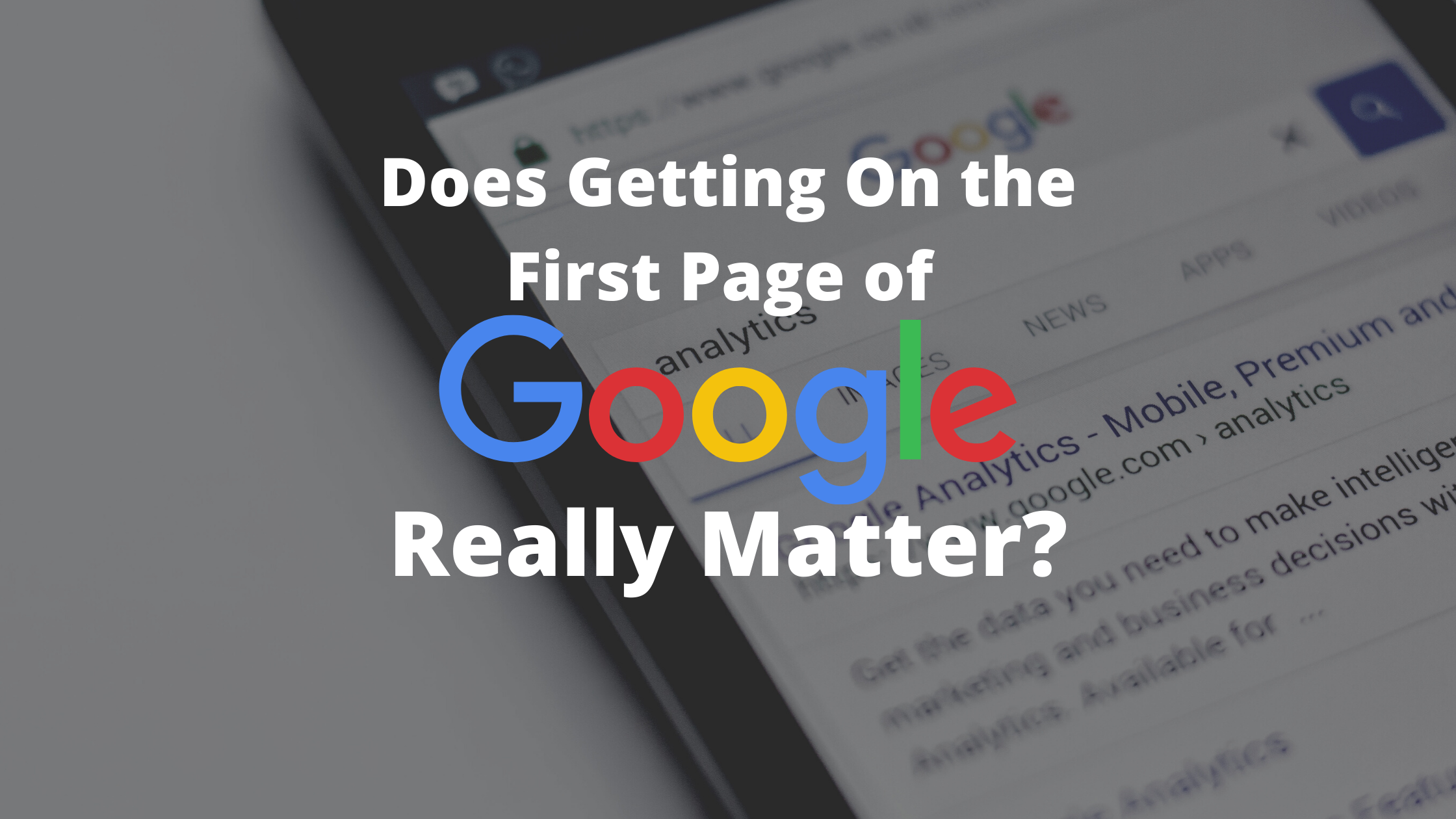
Only 1% of treatment centers rank on page one of Google, Call Charles Davis drug rehab marketing, drug rehab SEO and drug rehab consultant at 561-235-6195 to get ranked on page one of Google for key search terms in 90-120 days. Make this the year your center ranks on page one of Google.





 The behavioral health industry has operated for years with short-term solutions in generating clients. CEO and marketing directors expect immediate results. This is because they have been able to get by with Google Adwords and buying treatment calls. The business and marketing landscape have changed. The mentality of buying or obtaining a singular thing to generate immediate calls is gone.
 Remember the big picture is to get ranked organically on page one of Google for the long-tail keyword. Getting on page one could mean 1000’s of high quality and targeted organic calls. Many centers think the only way to accomplish this is through Ad Words and PPC. They could save big money if they would
  Behavioral Health Network Resources
 The behavioral health industry has experienced many business, operational and marketing changes over the last 12 months. Drug and alcohol addiction treatment centers are closing because they refused to change. They thought they could continue to operate without a detailed marketing plan. They thought they could survive with just boots on the ground tactics and Google Ad Words. Relying only solely on these is extremely risky.
 It is paramount to know all the SECRETS, tricks, and back-doors to growing your professional audience and how to maximize LinkedIn for referral, sales, and branding. I have learned LinkedIn so well, that I started my own company in 2014, Behavioral Health Network Resources solely based on my LinkedIn addiction professional audience targeting the addiction industry.

 If you belong to 10 groups (LinkedIn allows you to belong to 100’s) and post in all 10 groups, you could reach 10,000+ depending on the number of members the groups contain. Now, if you belong to 50 groups you get five times more exposure. There are ways of posting in all 25 groups or more at the same time which takes less than 30 seconds. I will let you in on that secret next time.
 This is one of the largest professional audiences in the addiction professional field. I started Behavioral Health Network Resources and EMP Series C-suite addiction conferences with LinkedIn being the foundation of my company. Since February 2014, I have branched off into many areas for treatment centers, detox’s, and sales/service organizations. The biggest impact has been with drug rehab SEO services. This is the key for small to medium centers to survive the competition. All of this has only been possible because individuals see by my activity that I am a leader in the treatment center marketing arena for addiction professionals.



 NAP stands for name, address, and phone number. This is the basic info businesses provide on their online platforms to make it easy for clients to find them. Additional information that is important to have on your site includes hours of operation, the physical location of your business, type of business, and social profiles aligned to your business.
 Old drug rehab marketing strategies die hard. Rehab Owners have always relied on PPC as their main strategy. In 2019 that strategy is no longer as effective. The benefits of organically ranking on page one of Google for key terms greatly outweighs PCC. Since 99% of your competition is not there, this is the best way to compete against the big players and the aggregates. Consider this, Google AdWords, or PPC only generate 2% of page one clicks. Google Maps and the first three organic slots get about 60% of the clicks. The best part is you do not have to pay for the click over and over again.
 The key to drug rehab marketing on the web is back-links. This was a lesson learned by
 Drug rehab marketing citations are a difficult task. A complete understanding of SEO, back-links, and citations is critical. The main area of drug and alcohol addiction treatment centers need to focus on is search engine optimization. Relying on Google AdWords, PPC and Legit Script certification is no longer effective. An even less expensive way is to rank in Google Maps. We can get you ranked in 30-60 days for major addiction treatment search words.


 California drug rehabs Los Angeles and drug rehabilitation centers across the US have been operating unethically for many years. The heroin epidemic has exposed many fraudulent practices in this 40 billion dollar a year industry. Lawmakers are making their way across the nation with patient brokering laws to save lives and protect the vulnerable. The new laws in California are going to directly affect the ability to operate in the state if they are operating unethically. To survive the difficult changes in behavioral healthcare, centers need to adopt a healthy business and marketing mix.
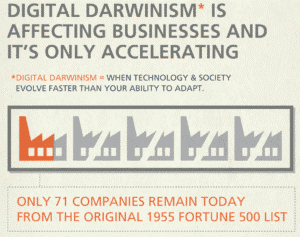
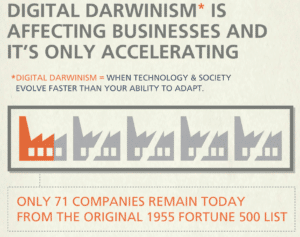
 California drug rehabs Los Angeles locations are being forced ethical drug rehab marketing. Drug rehabs San Diego and Los Angeles are learning about digital Darwinism because of the new regulations. Outdated buy rehab leads strategies no longer work and some are illegal in 2020. Senator Ricardo Lara (D-Bell Gardens) signed the
  California drug rehabs Los Angeles must understand Florida was the first state to focus on patient brokering laws for residential, inpatient and outpatient drug rehabilitation centers in the substance abuse industry. They have set the pace for the nation, but it has affected some ethical operators that did not change their business and marketing strategy. The media was quick to jump on the bandwagon providing, for the most part, unethical journalism.




 In any job, position or role getting out of your comfort zone enables you to grow personally and professionally. This can be difficult because human nature gravitates us towards our comfortable circles. At many substance abuse conferences, you see the same professionals forming in the same groups. Yes, it’s wonderful to chat with our familiar circles, however, it should not dominate your time at these events. Getting outside of the comfort zone, obtaining new tools, business education and forcing yourself to meet everyone in the room is paramount in the state of our industry.
 One of the best ways for addiction conferences preparation is to connect prior to the event. Most professionals in our industry do not do this. You should at least reach out to your A’s and B’s through LinkedIn prior to the event. Say you want to visit their booth or meet with them at the conference. This soft introduction says you are a professional and you are interested in meeting them. You will also get an idea of who this new potential referral source is and have some background information to reference when you chat at the event.
 Behavioral Health Network resources have been an addiction conferences provider for the last four years. In that time we have put on over 14 conferences attracting 150-200 at each event. They have gained the attention of CEO’s and Executives with over 150-200 attending each conference. This unique talk show host, town hall forum has become extremely popular. These addiction professional conferences cover “HOT” topics and provide attendees a chance to “ask the experts” any questions on better business practices, billing, drug testing, licensing, DCF, Accreditation, treatment, sales, marketing, and any other aspect of the addiction and behavioral health industry.